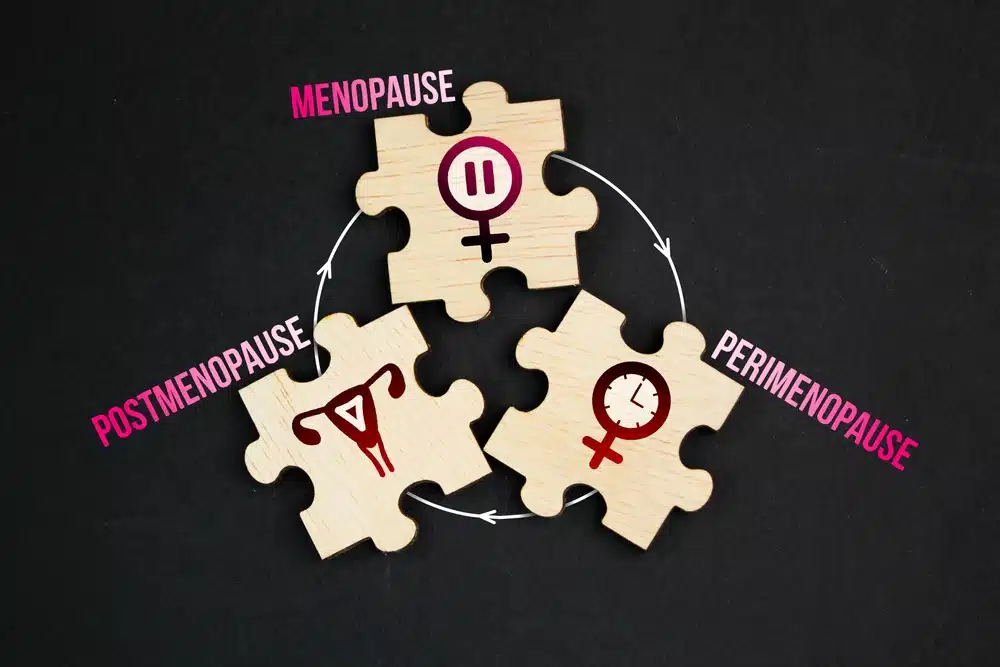
Menopause is a natural biological process that marks the end of a woman's reproductive years, but understanding the journey can help you navigate this transition with greater confidence and comfort. The stages of menopause encompass more than just the cessation of menstrual periods—they represent a gradual transformation that can span several years and affect multiple aspects of your health and wellbeing.
At Revive Integrative Health in Glenview, we focus on helping women understand and manage each phase of this natural transition through comprehensive, personalized care that addresses the whole person, not just individual symptoms.
Perimenopause, often called the "menopause transition," typically begins in a woman's 40s, though it can start as early as the mid-30s or as late as the early 50s. During this phase, your ovaries gradually produce less estrogen, leading to irregular menstrual cycles and the onset of menopausal symptoms.
Key characteristics of perimenopause include:
This phase can last anywhere from a few months to several years, with the average duration being four years. The hormonal fluctuations during perimenopause can be particularly challenging because estrogen levels don't decline steadily—they fluctuate dramatically, sometimes being higher than normal and other times dropping significantly.
Menopause is officially diagnosed when you haven't had a menstrual period for 12 consecutive months, typically occurring around age 51. At this point, your ovaries have significantly reduced their production of estrogen and progesterone, marking the end of your reproductive years.
During this phase, many women experience:
Postmenopause refers to the years following menopause, encompassing the rest of a woman's life. While some menopausal symptoms may continue or even intensify initially, many women find that symptoms like hot flashes gradually decrease over time.
However, the long-term effects of decreased estrogen become more apparent during postmenopause:
Hot flashes affect up to 75% of women going through menopause and can significantly impact quality of life. These sudden surges of heat, often accompanied by sweating and rapid heartbeat, can occur at any time and may last from a few seconds to several minutes.
Natural management strategies include:
Integrative approaches we focus on:
Hormonal fluctuations during the stages of menopause can significantly impact emotional wellbeing. Many women experience increased irritability, anxiety, mood swings, or even depression during this transition.
Supportive strategies include:
Many women notice weight gain during menopause, particularly around the abdomen. This occurs due to hormonal changes that affect metabolism, muscle mass, and fat distribution.
Effective management approaches:
Bioidentical hormone replacement therapy (BHRT) can help manage menopausal symptoms by supplementing the body's declining hormone levels. Unlike synthetic hormones, bioidentical hormones are molecularly identical to those your body produces naturally.
BHRT may help with:
Our clinic focuses on natural remedies and integrative approaches that support your body's ability to manage the menopausal transition:
Nutritional support:
Therapeutic modalities:
Every woman's experience with menopause is unique, and what works for one person may not work for another. At Revive Integrative Health, we believe in creating personalized care plans that address your specific symptoms, health goals, and lifestyle preferences.
Our comprehensive approach includes:
The key to successfully managing the stages of menopause lies in understanding that this is a natural process that doesn't have to diminish your quality of life. With the right support, information, and personalized care approach, you can navigate this transition with confidence and continue to thrive in the years ahead.
Don't let menopausal symptoms control your life. At Revive Integrative Health in Glenview, our experienced team is here to help you navigate the stages of menopause with personalized, compassionate care. We combine the best of conventional and integrative medicine to create a comprehensive approach that addresses your unique needs.
Contact us today to schedule your consultation and discover how we can help you feel your best during this important life transition. Your journey to optimal health and vitality starts here.

Polycystic ovary syndrome (PCOS) affects about 1 in 10 women of reproductive age, making it one of the most common hormonal disorders. Despite its prevalence, many women remain undiagnosed for years because the early signs of PCOS can be subtle or mistaken for other issues. Recognizing these early symptoms allows for earlier diagnosis and more effective management.
At Revive Integrative Health in Glenview, we help women identify and address PCOS with comprehensive, integrative care that focuses on the whole person. Our approach blends conventional assessment with natural therapies to help women manage symptoms and optimize long-term health.
Despite its name, PCOS is not only about ovarian cysts. It’s a metabolic and hormonal disorder involving insulin resistance, elevated androgens (male hormones), and sometimes multiple small ovarian cysts. These imbalances can affect fertility, appearance, energy levels, and overall health.
The challenge is that PCOS presents differently in each woman. Some show many symptoms, while others have only a few subtle signs often attributed to stress or lifestyle factors.
One of the clearest early indicators is irregular menstruation, including:
These issues occur because PCOS disrupts regular ovulation.
Up to 70% of women with PCOS have insulin resistance, which contributes to:
Elevated androgens often cause:
Hormonal imbalances may lead to:
Some women first discover PCOS when trying to conceive, as irregular ovulation may cause difficulty becoming pregnant or recurrent miscarriage.
Because PCOS symptoms vary, open and honest discussion with your provider is essential.
A full evaluation may include:
Recognizing PCOS early is critical for prevention and management.
Focus on:
Limit:
Evidence-based options may include:
PCOS care is not one-size-fits-all. At Revive Integrative Health, we design personalized care plans that may include:
The early signs of PCOS should never be dismissed. With the right support, women can manage symptoms, reduce risks, and live healthy, fulfilling lives.
If you recognize early signs of PCOS, don’t wait to seek help. At Revive Integrative Health in Glenview, our team specializes in personalized, integrative care for women with PCOS.
Contact us today to schedule your consultation and begin your journey toward better health, balance, and vitality.

Hormones are the body's chemical messengers, orchestrating everything from growth and metabolism to mood and reproduction. When these delicate systems fall out of balance, the effects can be far-reaching, particularly impacting reproductive health in both women and men. Understanding hormonal imbalances and reproductive health connections can help you recognize symptoms early and take proactive steps toward restoring balance.
At Revive Integrative Health in Glenview, we focus on helping both men and women achieve optimal hormonal balance through comprehensive, personalized care that addresses the root causes of imbalance rather than just managing symptoms.
Reproductive health depends on a complex interplay of hormones that must work in harmony. These messengers control everything from the menstrual cycle and ovulation in women to sperm production and libido in men. When balance is disrupted, it can affect fertility, energy, and overall wellbeing.
Estrogen regulates the menstrual cycle and ovulation while maintaining reproductive tissue health, bone density, and mood.
Progesterone, known as the "pregnancy hormone," prepares the uterine lining for pregnancy and balances estrogen’s effects.
Luteinizing Hormone (LH) and Follicle-Stimulating Hormone (FSH) control ovulation timing, egg development, and hormone production.
Testosterone drives sperm production, libido, sexual function, muscle mass, and mood. Levels naturally decline with age, affecting energy and reproductive health.
LH and FSH stimulate testosterone production and support sperm development throughout life.
Menstrual Cycle Irregularities – Imbalances can cause irregular, absent, or painful periods that disrupt daily life.
Fertility Challenges – Disorders such as anovulation or poor egg quality make conception difficult and increase pregnancy risks.
Other Impacts – Conditions like PCOS, endometriosis, and fibroids are often tied to estrogen dominance or low progesterone.
Testosterone Deficiency (Low T) – Leads to reduced libido, erectile dysfunction, fertility challenges, fatigue, mood changes, and cognitive decline.
Other Imbalances – Elevated estrogen or thyroid dysfunction can disrupt fertility, sperm quality, energy, and sexual function.
Lifestyle Factors – Chronic stress, poor sleep, and nutritional deficiencies disrupt hormone production.
Environmental Factors – Endocrine-disrupting chemicals in plastics, pesticides, and personal care products mimic or block natural hormones.
Medical Conditions – Insulin resistance, diabetes, and thyroid disorders interfere with both male and female reproductive function.
Nutrition – Healthy fats, cruciferous vegetables, antioxidants, and fiber support hormone production and balance, while processed foods and excess sugar worsen disruption.
Supplements – Women may benefit from vitex, evening primrose oil, or maca; men may benefit from zinc, vitamin D, or ashwagandha. Omega-3s, magnesium, and probiotics support both sexes.
Lifestyle – Stress management, consistent sleep, and balanced exercise help regulate hormone levels.
When lifestyle changes aren’t enough, BHRT provides natural hormone restoration. Women may experience relief from menopausal symptoms, improved bone health, and better sleep, while men may regain energy, libido, and muscle mass.
At Revive Integrative Health, our approach includes thorough testing, personalized treatment plans, use of bioidentical hormones, and ongoing monitoring integrated with nutrition and lifestyle support.
Acupuncture – Helps regulate menstrual cycles, support ovulation, reduce menopausal symptoms, and improve male fertility.
Red Light Therapy – Boosts cellular energy, reduces inflammation, and supports reproductive health.
Mind-Body Practices – Meditation, yoga, and breathing exercises reduce stress hormones and improve overall hormonal balance.
Your individualized plan at Revive Integrative Health may include:
Don’t let hormonal imbalances and reproductive health challenges limit your life. At Revive Integrative Health in Glenview, our experienced team creates personalized care plans to restore balance and improve wellness.
Contact us today to schedule your comprehensive hormone evaluation and take the first step toward better reproductive health.
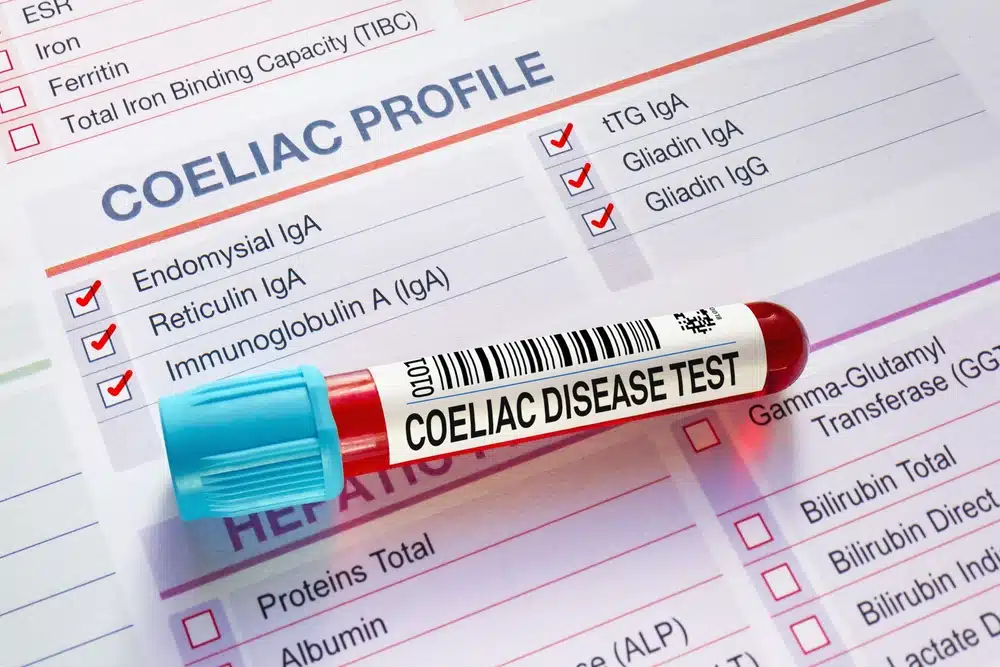
Celiac disease affects millions of people worldwide, yet many individuals live with this serious autoimmune condition for years without receiving a proper diagnosis. Undiagnosed celiac disease can silently damage the body over time, leading to a cascade of health complications that extend far beyond digestive symptoms. Understanding the hidden dangers of this condition and recognizing the critical importance of early detection can be life-changing for those affected.
At Revive Integrative Health, we focus on helping patients identify and manage celiac disease through comprehensive testing and integrative care. Our goal is to help you understand the full scope of how untreated celiac disease can impact your health and provide you with the tools needed for optimal wellness and recovery.
When celiac disease remains undiagnosed and untreated, the ongoing immune response continues to damage the small intestine's lining, creating a progressive cycle of inflammation and malabsorption that can affect virtually every system in the body. The consequences of this chronic damage extend far beyond occasional digestive discomfort.
The damaged intestinal lining cannot properly absorb essential nutrients, leading to deficiencies that can become life-threatening if left unchecked. Iron deficiency anemia is often one of the first complications, causing chronic fatigue, weakness, and difficulty concentrating. Vitamin B12 and folate deficiencies can lead to neurological symptoms including numbness, tingling, memory problems, and severe mood changes.
Calcium and vitamin D malabsorption creates serious bone health risks. Many individuals with undiagnosed celiac disease develop osteoporosis at unusually young ages, significantly increasing their risk of fractures. Dental problems, including tooth enamel defects and increased cavity formation, are also common due to calcium deficiency.
Fat-soluble vitamins (A, D, E, and K) require proper fat absorption, which becomes compromised in celiac disease. Vitamin A deficiency can affect vision and immune function, while vitamin K deficiency can lead to bleeding disorders and poor wound healing.
Untreated celiac disease creates a state of chronic inflammation that can trigger additional autoimmune conditions. Research shows that individuals with undiagnosed celiac disease have significantly higher rates of developing thyroid disorders, particularly Hashimoto's thyroiditis and Graves' disease. Type 1 diabetes also occurs more frequently in those with celiac disease, creating complex management challenges when both conditions are present.
Other autoimmune conditions that may develop include autoimmune hepatitis, primary biliary cholangitis, and various inflammatory joint conditions. The longer celiac disease remains untreated, the higher the risk of developing these additional autoimmune complications.
The impact of chronic inflammation and nutritional deficiencies on the nervous system can be devastating. Peripheral neuropathy, causing numbness and tingling in hands and feet, affects a significant percentage of individuals with untreated celiac disease. Balance problems, coordination difficulties, and even seizures can occur in severe cases.
Mental health complications are equally serious. Depression and anxiety occur at much higher rates in individuals with undiagnosed celiac disease, often due to a combination of chronic inflammation affecting neurotransmitter production and the stress of living with unexplained symptoms. Cognitive impairment, often described as "brain fog," can significantly impact work performance and quality of life.
For women, untreated celiac disease can cause irregular menstrual cycles, fertility challenges, and increased risk of pregnancy complications including miscarriage, low birth weight babies, and neural tube defects. Men may experience reduced sperm quality and hormonal imbalances that affect fertility and sexual function.
One of the most serious long-term consequences of undiagnosed celiac disease is an increased risk of certain cancers, particularly non-Hodgkin's lymphoma of the small intestine. The risk appears to be highest in individuals with prolonged, severe untreated disease and may decrease with strict adherence to a gluten-free diet after diagnosis.
Celiac disease often goes undiagnosed because symptoms can be subtle, intermittent, or seemingly unrelated to digestive health. Many people dismiss their symptoms as stress, aging, or other common health issues, allowing the condition to progress for years.
While not everyone with celiac disease experiences digestive symptoms, these remain important warning signs:
Many individuals with celiac disease primarily experience symptoms outside the digestive system:
Certain combinations of symptoms should raise immediate suspicion for celiac disease:
Early recognition of these symptoms is crucial because prompt diagnosis and care can prevent many of the serious complications associated with long-term untreated celiac disease.
If celiac disease is suspected, proper testing is essential for accurate diagnosis and appropriate care planning. The testing process should be conducted while still consuming gluten, as eliminating gluten before testing can lead to false-negative results.
The first step typically involves blood tests that measure specific antibodies:
These blood tests are highly accurate when performed correctly, but it's crucial to continue eating gluten-containing foods for at least several weeks before testing to ensure reliable results.
Genetic testing can provide valuable information about celiac disease risk:
The gold standard for celiac disease diagnosis is an intestinal biopsy obtained through upper endoscopy:
Once celiac disease is diagnosed, additional testing may be recommended:
The longer celiac disease remains undiagnosed and untreated, the more severe the potential complications become. Understanding these risks emphasizes the critical importance of seeking proper diagnosis and care.
Continued gluten consumption in individuals with celiac disease leads to increasingly severe intestinal damage. What begins as mild villous blunting can progress to complete villous atrophy, severely compromising the intestine's ability to absorb nutrients. This progressive damage can become more difficult to reverse the longer it continues.
Chronic calcium and vitamin D malabsorption can lead to significant bone density loss that may not be completely reversible even with care. Individuals with long-term undiagnosed celiac disease face lifelong increased fracture risk and may develop spinal compression fractures or hip fractures at relatively young ages.
Some neurological complications of celiac disease may become permanent if the condition remains untreated for extended periods. Peripheral neuropathy and balance problems may persist even after achieving intestinal healing with a gluten-free diet.
The risk of developing lymphoma and other cancers increases with the duration of untreated celiac disease. While starting a gluten-free diet can help reduce this risk, some increase in cancer risk may persist for years after diagnosis.
Once additional autoimmune conditions develop as a result of untreated celiac disease, they typically require lifelong management even after celiac disease is properly treated. This emphasizes the importance of early diagnosis to prevent these secondary complications.
Despite the serious consequences of untreated celiac disease, there is significant hope for healing and recovery with proper diagnosis and management. The primary care involves complete elimination of gluten from the diet, but comprehensive management may include additional supportive approaches.
With strict adherence to a gluten-free diet, intestinal healing can begin within weeks to months. Most individuals experience significant improvement in symptoms within the first few months of care, and intestinal biopsies often show substantial healing within one to two years.
Correcting nutritional deficiencies through targeted supplementation and improved absorption can dramatically improve energy levels, mood, and overall health. Many individuals report feeling better than they have in years once their nutritional status is optimized.
Our integrative approach to celiac disease management includes:
If you're experiencing unexplained symptoms that could indicate undiagnosed celiac disease, don't wait for complications to develop. Early diagnosis and proper care can prevent serious health consequences and help you reclaim your vitality and well-being.
At Revive Integrative Health, we're committed to helping you identify and manage celiac disease through comprehensive testing, personalized care plans, and ongoing support. Our integrative approach addresses not just the symptoms, but the underlying factors that contribute to optimal digestive health and overall wellness.
Contact us today to schedule a consultation and learn how our comprehensive approach can help you achieve optimal health. Call our Glenview office or visit our website to book your appointment and take the first step toward understanding and managing your health concerns.

Living with Hashimoto's thyroiditis often brings questions about long-term health implications and potential complications. One concern that frequently arises is whether this autoimmune condition might influence the risk of developing thyroid cancer. Understanding the research behind Hashimoto's thyroid cancer risk can help you make informed decisions about your health management and monitoring strategies.
At Revive Integrative Health, we believe in empowering our patients with evidence-based information while focusing on comprehensive care that supports overall thyroid health. Let's explore what current research tells us about the relationship between Hashimoto's disease and thyroid cancer risk.
The connection between Hashimoto's thyroiditis and thyroid cancer has been the subject of numerous scientific studies over the past several decades. Research in this area has evolved significantly, with larger studies and longer follow-up periods providing more comprehensive insights into this complex relationship.
Recent studies have examined thousands of patients with Hashimoto's disease, following them over extended periods to better understand cancer development patterns. These investigations have provided valuable insights into risk factors, timing, and the types of thyroid cancer that may be more commonly associated with autoimmune thyroid conditions.
Large-scale epidemiological studies have suggested that individuals with Hashimoto's thyroiditis may have a slightly increased risk of developing certain types of thyroid cancer compared to the general population. However, it's crucial to understand that this increased risk appears to be modest and should be viewed in the context of overall thyroid cancer statistics.
A comprehensive meta-analysis examining multiple studies found:
Research has identified that the association between Hashimoto's and cancer risk appears to be most relevant for certain types of thyroid malignancies:
Papillary Thyroid Cancer: This is the most common type of thyroid cancer overall, and studies suggest it may occur more frequently in individuals with Hashimoto's. However, papillary thyroid cancer generally has a favorable prognosis when detected early and managed appropriately.
Thyroid Lymphoma: Although rare, primary thyroid lymphoma shows a stronger association with Hashimoto's thyroiditis. This type represents a small percentage of thyroid cancers but appears to occur more frequently in individuals with long-standing autoimmune thyroid disease.
Understanding why Hashimoto's might influence cancer risk requires examining the biological mechanisms involved in autoimmune thyroid disease and cancer development.
Hashimoto's thyroiditis involves ongoing inflammation within the thyroid gland. This chronic inflammatory environment may contribute to cellular changes over time. Persistent inflammation can lead to:
Research suggests that chronic inflammation in various parts of the body may contribute to cancer development, and the thyroid gland is no exception to this general principle.
The autoimmune nature of Hashimoto's means the immune system mistakenly targets healthy thyroid tissue. This ongoing immune dysfunction may create conditions that could potentially influence cancer development:
Thyroid hormone imbalances associated with Hashimoto's may also play a role in the relationship with cancer risk. Elevated TSH levels, which commonly occur in untreated or undertreated Hashimoto's, have been studied as a potential contributing factor since TSH stimulates thyroid cell growth and division.
Several factors may influence the relationship between Hashimoto's and thyroid cancer risk, helping to identify individuals who might benefit from enhanced monitoring.
Research suggests that the length of time someone has had Hashimoto's thyroiditis may influence cancer risk. Longer duration of autoimmune activity and chronic inflammation may contribute to:
Both Hashimoto's thyroiditis and thyroid cancer show distinct patterns related to age and gender:
External factors that may influence both Hashimoto's progression and cancer risk include:
Given the research findings, appropriate monitoring becomes an important aspect of managing Hashimoto's thyroiditis. However, it's essential to balance vigilance with avoiding unnecessary anxiety about cancer risk.
Healthcare providers typically recommend regular monitoring for individuals with Hashimoto's, which may include:
Physical Examinations: Regular neck examinations can help identify changes in thyroid size, texture, or the presence of nodules. These examinations should be performed by healthcare providers experienced in thyroid assessment.
Imaging Studies: Thyroid ultrasound can provide detailed information about thyroid structure and help identify nodules or changes that warrant further evaluation. The frequency of imaging may depend on individual risk factors and clinical findings.
Laboratory Monitoring: Regular thyroid function testing helps ensure optimal hormone levels and may identify changes that require attention. Some providers also monitor thyroid antibody levels to track autoimmune activity.
At Revive Integrative Health, we focus on supporting overall thyroid health through comprehensive approaches that may help manage the underlying factors contributing to autoimmune activity:
Nutritional Support: Anti-inflammatory nutrition plans that focus on reducing systemic inflammation while supporting thyroid function. This may include:
Stress Management: Since chronic stress can worsen autoimmune conditions, stress reduction techniques become important components of comprehensive care:
Detoxification Support: Supporting the body's natural detoxification processes may help reduce the burden of environmental toxins that could contribute to autoimmune activity:
Integrative approaches to supporting thyroid health may include various therapeutic modalities that focus on reducing inflammation and supporting overall wellness:
Acupuncture and Traditional Approaches: Research has shown that acupuncture may help support thyroid function and reduce autoimmune activity in some individuals. This ancient practice can be particularly beneficial for:
Red Light Therapy: This emerging therapeutic modality shows promise for supporting cellular health and may help with:
While most people with Hashimoto's never develop thyroid cancer, certain symptoms or changes warrant prompt evaluation:
Understanding Hashimoto's thyroid cancer risk requires recognizing that each person's situation is unique. Factors such as genetics, environmental exposures, lifestyle choices, and overall health status all contribute to individual risk profiles.
Working with healthcare providers who understand autoimmune thyroid conditions helps ensure that monitoring and management strategies are tailored to individual needs. This personalized approach considers:
While research indicates a modest increase in thyroid cancer risk for individuals with Hashimoto's, it's important to maintain perspective:
The field of thyroid health continues to evolve, with ongoing research examining the relationship between autoimmune thyroid conditions and cancer risk. Future studies may provide even more refined understanding of:
If you have Hashimoto's thyroiditis, understanding the research on cancer risk can help you make informed decisions about your health management. The key is finding the right balance between appropriate vigilance and maintaining your quality of life.
At Revive Integrative Health, we focus on comprehensive approaches that address the root causes of autoimmune thyroid conditions while supporting overall health and wellness. Our goal is to help you feel empowered and confident in managing your thyroid health.
Don't let concerns about thyroid cancer risk overwhelm you. Instead, focus on taking proactive steps to support your thyroid health and overall wellness by learning more about Hashimoto's thyroid cancer risk. Our team at Revive Integrative Health is here to help you develop a comprehensive management plan that addresses your individual needs and concerns.
Contact us today to schedule a consultation and learn how our integrative approach can help support your thyroid health. Call our Glenview office or visit our website to book your appointment and take control of your thyroid wellness journey.

Pregnancy is a transformative journey that brings both excitement and questions about health and wellness. For women living with Hashimoto's thyroiditis, this journey may involve additional considerations and careful planning. Understanding how Hashimoto's and pregnancy intersect can help you navigate this important time with greater confidence and peace of mind.
Hashimoto's thyroiditis is an autoimmune condition that affects thyroid function, and its impact on reproductive health deserves careful attention. At Revive Integrative Health, we focus on supporting women through comprehensive care that addresses the unique challenges this condition may present during the pregnancy journey.
The relationship between thyroid function and reproductive health is intricate and significant. When Hashimoto's affects thyroid hormone production, it can influence various aspects of fertility and pregnancy outcomes. The thyroid gland plays a crucial role in regulating hormones that support reproductive function, making proper thyroid management an important consideration for women planning to conceive.
Research indicates that untreated or poorly managed thyroid conditions may be associated with:
Women with Hashimoto's may experience fluctuations in thyroid function that can affect their reproductive health. The autoimmune nature of this condition means that thyroid antibodies may interfere with normal thyroid hormone production, creating additional considerations for pregnancy planning.
Preparation is key when managing Hashimoto's and planning for pregnancy. This phase allows for optimization of thyroid function and overall health, creating the best possible environment for conception and early pregnancy development.
Before conception, thorough thyroid testing becomes essential. This assessment should include not only standard thyroid hormone levels but also antibody testing to understand the current state of autoimmune activity. Regular monitoring helps identify patterns and fluctuations that may need attention.
Key markers that healthcare providers typically evaluate include:
Nutrition plays a vital role in supporting thyroid function and preparing the body for pregnancy. Women with Hashimoto's and pregnancy may benefit from focusing on nutrient-dense foods that support both thyroid health and reproductive wellness.
Essential nutrients to consider include:
Creating healthy lifestyle patterns before conception can significantly impact pregnancy outcomes. This includes managing stress levels, as chronic stress can affect both thyroid function and reproductive hormones. Gentle exercise, adequate sleep, and stress-reduction techniques like meditation or yoga can be beneficial.
Pregnancy brings unique changes to thyroid function, even in healthy women. For those with Hashimoto's, these changes require careful attention and monitoring throughout each trimester.
During pregnancy, the body's demand for thyroid hormones increases significantly, particularly in the first trimester when the developing baby relies entirely on maternal thyroid hormones. This increased demand can strain an already compromised thyroid system in women with Hashimoto's.
The pregnancy hormone hCG (human chorionic gonadotropin) can stimulate the thyroid gland, sometimes causing temporary improvements in thyroid function during early pregnancy. However, as pregnancy progresses and hCG levels decline, underlying thyroid issues may become more apparent.
Women with Hashimoto's should be aware of symptoms that may indicate thyroid function changes during pregnancy:
Consistent monitoring of thyroid function throughout pregnancy is crucial. Many healthcare providers recommend checking thyroid levels every 6-8 weeks during pregnancy, with adjustments made as needed to maintain optimal levels for both mother and baby.
The postpartum period brings its own set of challenges for women with Hashimoto's. Hormonal fluctuations after delivery can significantly impact thyroid function, and many women experience changes in their autoimmune activity during this time.
After delivery, dramatic hormonal shifts occur as the body transitions from pregnancy to the postpartum state. For women with Hashimoto's, these changes can trigger:
Many women with Hashimoto's can successfully breastfeed, but this requires careful consideration of thyroid management. Breastfeeding increases nutritional demands and can affect thyroid function. Working with healthcare providers to ensure adequate support for both thyroid health and milk production is important.
Nutritional needs during breastfeeding may include:
Understanding potential complications associated with Hashimoto's and pregnancy helps in developing prevention strategies and early intervention plans.
Women with Hashimoto's may face increased risks for certain pregnancy complications, but proactive management can help minimize these risks:
Miscarriage Prevention Focus: Maintaining optimal thyroid function is crucial for supporting early pregnancy. This includes ensuring adequate thyroid hormone levels and managing autoimmune activity through nutrition, stress reduction, and appropriate supplementation.
Preeclampsia Awareness: Some studies suggest a possible connection between autoimmune thyroid conditions and preeclampsia risk. Regular blood pressure monitoring and maintaining overall cardiovascular health through proper nutrition and exercise can be beneficial.
Fetal Growth Support: Proper thyroid function is essential for normal fetal growth and development, particularly brain development. Consistent monitoring and management help ensure the developing baby receives adequate thyroid hormone support.
At Revive Integrative Health, we focus on comprehensive approaches that address the whole person, not just individual symptoms. For women managing Hashimoto's and pregnancy, this might include:
Nutritional Support Customized nutrition plans that support both thyroid function and pregnancy needs, including appropriate supplementation with nutraceuticals that are safe during pregnancy.
Stress Management Techniques such as meditation, gentle yoga, acupuncture, or other stress-reduction methods that support both mental health and hormonal balance.
Therapeutic Modalities Safe, pregnancy-appropriate therapies like acupuncture, which may help support overall wellness and hormonal balance during this important time.
Ongoing Monitoring Regular assessment of thyroid function, nutritional status, and overall health to ensure optimal support throughout the pregnancy journey.
Knowing when to reach out for additional help is crucial for women managing Hashimoto's and pregnancy. Consider consulting with healthcare providers who understand autoimmune conditions when:
Managing Hashimoto's during pregnancy requires attention to detail and consistent care, but with proper support, many women successfully navigate this journey. The key is working with healthcare providers who understand both autoimmune conditions and pregnancy needs.
At Revive Integrative Health, we believe in empowering women with knowledge and comprehensive support throughout their pregnancy journey. Our approach focuses on addressing root causes, supporting natural healing processes, and providing the tools needed for optimal health.
If you're planning for pregnancy or are currently pregnant and managing Hashimoto's, don't navigate this journey alone. Our team at Revive Integrative Health is here to help support you with comprehensive, personalized care that addresses your unique needs regarding Hashimoto's and pregnancy.
Contact us today to schedule a consultation and learn how our integrative approach can help support your health during this important time. Call our Glenview office or visit our website to book your appointment and take the first step toward optimized wellness for you and your growing family.

At Revive Integrative Health in Glenview, we care deeply about supporting the whole person—mind, body, and gut. While many people think of digestion as being solely influenced by food choices, sleep plays an equally important role in maintaining digestive balance. The connection between your sleep patterns and your digestive system is stronger than you may realize.
In this blog, we’ll explore the impact of sleep on digestion, how your body’s circadian rhythms influence gut health, what happens when your sleep is disrupted, and simple lifestyle shifts that may help improve both your rest and your digestion.
Your digestive system is tightly linked to your sleep-wake cycle, also known as your circadian rhythm. This internal biological clock regulates various processes in your body over a 24-hour cycle—including hormone release, metabolism, and gastrointestinal function.
Here's how circadian rhythms influence digestion:
When your circadian rhythm is disrupted—whether by shift work, travel, or poor sleep hygiene—it can negatively impact digestive function. Over time, this misalignment may contribute to symptoms such as bloating, constipation, indigestion, or even changes in appetite and mood.
Poor sleep isn't just exhausting—it can put stress on your entire digestive system. Here's how:
Even one night of disrupted sleep may lead to temporary digestive upset. But long-term sleep challenges could gradually wear on your gut’s natural ability to regulate itself.
Some common digestive symptoms that may be related to sleep disturbances include:
While these symptoms can stem from various sources, it's important to consider sleep as a potential contributing factor—especially if they occur alongside fatigue, brain fog, or mood shifts.
The good news? Supporting healthy sleep habits can have a ripple effect on your gut health. At Revive Integrative Health, we help individuals adopt personalized strategies that honor both their lifestyle and their biology. Here are a few gentle ways to care for your sleep—and your digestion:
When your sleep is optimized, your body has the chance to restore itself on every level—including digestion. The relationship between sleep and gut function is bi-directional: a healthy gut helps regulate sleep, and consistent rest helps your digestive system operate smoothly.
At Revive Integrative Health, we understand how interconnected your body systems truly are. Our approach focuses on helping you manage your wellness holistically, using personalized nutrition strategies, advanced diagnostics, and integrative therapies—all tailored to your unique needs and goals.
It is time to learn more about the impact of sleep on digestion. If you're struggling with digestive symptoms or fatigue and suspect your sleep habits might be contributing, we’re here to help. Our team is passionate about supporting individuals through whole-person care that respects the body’s natural rhythms.
🌿 Schedule a consultation with Revive Integrative Health in Glenview to learn more about how we can help you support your digestion—starting with better sleep.
Book an Appointment! Visit https://reviveintegrativehealth.com to explore our services.

In our fast-paced world, stress has become an unwelcome companion for many of us. What you might not realize is how profoundly stress can impact your blood sugar levels and contribute to diabetes development. The stress diabetes connection represents a complex web of hormonal interactions that can significantly affect your metabolic health. Understanding this relationship can help you take proactive steps toward better blood sugar management and overall wellness. Keep reading for more blog information.
When your body perceives stress, whether physical or emotional, it activates a sophisticated response system designed to help you handle immediate threats. This "fight-or-flight" response triggers the release of several stress hormones, creating a cascade of physiological changes that directly impact your blood sugar regulation.
The stress diabetes connection begins in your hypothalamic-pituitary-adrenal (HPA) axis, which serves as your body's central stress response system. When activated, this system releases hormones that prepare your body for action by increasing available glucose in your bloodstream. While this response can be life-saving in acute situations, chronic activation creates problems for blood sugar control.
Stress-induced hormonal changes can lead to insulin resistance, a condition where your cells become less responsive to insulin's signals. This means your body needs more insulin to move glucose from your bloodstream into your cells, putting additional strain on your pancreas and potentially contributing to the development of Type 2 diabetes.
Cortisol, often called the "stress hormone," plays a central role in the stress diabetes connection. When released during stressful situations, cortisol serves several functions that can dramatically affect your blood sugar levels.
First, cortisol stimulates gluconeogenesis, a process where your liver produces glucose from non-carbohydrate sources like proteins and fats. This increases the amount of glucose circulating in your bloodstream, even when you haven't eaten. Additionally, cortisol can reduce insulin sensitivity in muscle and fat tissues, making it harder for these tissues to absorb glucose effectively.
Chronic elevation of cortisol levels can also affect where your body stores fat, often leading to increased abdominal fat accumulation. This visceral fat is particularly problematic because it's metabolically active and can contribute to further insulin resistance, creating a cycle that reinforces the stress diabetes connection.
While cortisol gets much of the attention, other stress hormones also contribute to the complex stress diabetes connection. Adrenaline (epinephrine) and noradrenaline work quickly to increase blood glucose levels by stimulating the breakdown of glycogen stored in your liver and muscles.
Growth hormone, another stress-responsive hormone, can also impact blood sugar control by promoting insulin resistance. When chronically elevated due to ongoing stress, growth hormone can make it more difficult for your body to maintain stable blood glucose levels throughout the day.
These hormonal interactions create what we might call a "hormonal rollercoaster" – periods of elevated blood sugar followed by potential crashes, irregular energy levels, and increasing difficulty maintaining metabolic balance.
Understanding the stress diabetes connection means learning to recognize how different types of stress affect your individual blood sugar patterns. Physical stressors like illness, injury, or intense exercise can cause temporary blood sugar spikes. Emotional stressors such as work pressure, relationship conflicts, or financial concerns can create more sustained impacts on glucose control.
Sleep deprivation represents another significant stressor that affects the stress diabetes connection. Poor sleep quality or insufficient sleep duration can elevate cortisol levels and reduce insulin sensitivity, making blood sugar management more challenging.
Even positive stress, such as exciting life changes or challenging projects, can activate your stress response system and influence blood glucose levels. This is why comprehensive stress management approaches are essential for anyone looking to optimize their metabolic health.
Proper nutrition plays a crucial role in managing both stress and blood sugar levels. Focus on consuming balanced meals that include high-quality proteins, healthy fats, and complex carbohydrates to help stabilize blood glucose and support your body's stress response.
Chromium and magnesium supplementation may help support healthy blood sugar metabolism and stress management. B-complex vitamins are also important for supporting your nervous system during stressful periods. Omega-3 fatty acids found in fish oil supplements can help manage inflammation associated with chronic stress.
Consider incorporating adaptogenic herbs like ashwagandha or rhodiola, which may help your body better adapt to stress while supporting healthy cortisol levels. However, it's important to work with healthcare providers familiar with nutraceuticals to determine appropriate supplementation for your individual needs.
Several therapeutic approaches can help address both stress and blood sugar management simultaneously. Acupuncture has shown promise in helping regulate cortisol levels and improving insulin sensitivity. This ancient practice may help restore balance to your body's stress response systems.
Red light therapy represents another innovative approach that may help manage the stress diabetes connection. Some research suggests that specific wavelengths of red light may support cellular metabolism and potentially influence glucose utilization at the cellular level.
Regular massage therapy can help reduce cortisol levels and promote relaxation, while also potentially improving circulation and supporting overall metabolic health. These hands-on approaches can be valuable components of a comprehensive stress and blood sugar management plan.
Implementing mind-body techniques can be particularly effective in managing the stress diabetes connection. Deep breathing exercises, practiced consistently, can help activate your parasympathetic nervous system and reduce cortisol production.
Progressive muscle relaxation and guided imagery can help you develop better stress awareness and management skills. These techniques can be practiced anywhere and provide immediate tools for managing acute stress responses that might otherwise spike your blood sugar.
Mindfulness meditation has shown particular promise in helping people manage both stress and blood sugar levels. Regular meditation practice may help improve insulin sensitivity while reducing chronic stress hormone elevation.
Managing the stress diabetes connection requires a comprehensive approach that addresses both the physiological and psychological aspects of stress and blood sugar control. This might include combining nutritional modifications, targeted supplementation, therapeutic modalities, and stress management techniques tailored to your individual needs.
Regular monitoring of your stress levels and blood sugar patterns can help you identify personal triggers and effective management strategies. Working with healthcare providers who understand integrative approaches to metabolic health can help you develop a personalized plan that addresses your unique stress diabetes connection.
At Revive Integrative Health in Glenview, we focus on helping individuals understand and manage the complex relationships between stress, hormones, and metabolic health. Our comprehensive approach combines nutritional guidance, therapeutic modalities, and lifestyle modifications to help you better manage both stress and blood sugar levels naturally. Contact us now for more information.

The relationship between excess weight and Type 2 diabetes represents one of the most significant health challenges of our time. Understanding how obesity blood sugar imbalance develops can empower you to take meaningful steps toward better metabolic health. At Revive Integrative Health in Glenview, we focus on helping individuals understand these complex connections and develop comprehensive strategies to manage their health naturally.
When your body carries excess weight, particularly around the midsection, it creates a cascade of metabolic changes that can significantly impact your blood sugar regulation. The obesity blood sugar imbalance begins at the cellular level, where fat tissue produces inflammatory compounds that interfere with your body's ability to use insulin effectively.
Adipose tissue, especially visceral fat surrounding your organs, isn't just passive storage for excess calories. This metabolically active tissue releases hormones and inflammatory substances called adipokines, which can directly contribute to insulin resistance. As your fat cells enlarge, they become less responsive to insulin's signals, making it harder for glucose to enter cells where it's needed for energy.
The liver also plays a crucial role in the obesity blood sugar imbalance. Excess fat accumulation in the liver can impair its ability to regulate glucose production, leading to elevated blood sugar levels even during fasting periods. This hepatic insulin resistance becomes a significant contributor to the development of Type 2 diabetes.
Understanding insulin resistance is key to grasping the obesity blood sugar imbalance connection. When you consume food, your pancreas releases insulin to help transport glucose from your bloodstream into your cells. In a healthy system, this process works efficiently to maintain stable blood sugar levels.
However, as excess weight accumulates, your cells become less sensitive to insulin's signals. This means your pancreas must produce more insulin to achieve the same glucose-lowering effect. Over time, this increased demand can exhaust your pancreatic beta cells, leading to decreased insulin production and the development of Type 2 diabetes.
The muscle tissue, which normally acts as a major glucose storage site, also becomes less responsive to insulin in the presence of excess body fat. This muscular insulin resistance further contributes to the obesity blood sugar imbalance by reducing your body's capacity to effectively manage glucose after meals.
Addressing the obesity blood sugar imbalance requires a comprehensive approach that focuses on both weight management and blood sugar control. Nutritional modifications form the foundation of this approach, emphasizing foods that support stable glucose levels while promoting healthy weight loss.
Focus on incorporating high-fiber, nutrient-dense foods that help slow glucose absorption and promote satiety. Vegetables, particularly leafy greens and cruciferous varieties, provide essential nutrients while having minimal impact on blood sugar. Quality proteins from sources like fish, poultry, legumes, and plant-based options can help maintain muscle mass during weight loss while supporting stable glucose levels.
Healthy fats from sources like avocados, nuts, seeds, and olive oil can help improve insulin sensitivity while providing sustained energy. These fats also contribute to meal satisfaction, potentially reducing overall caloric intake and supporting weight management goals.
Consider timing your meals to support better glucose control. Eating smaller, more frequent meals can help prevent dramatic blood sugar spikes and crashes that contribute to the obesity blood sugar imbalance cycle.
Several nutraceuticals may help address the obesity blood sugar imbalance through various mechanisms. Chromium supplementation has shown promise in supporting healthy glucose metabolism and potentially improving insulin sensitivity. Berberine, a plant compound, may help support healthy blood sugar levels and weight management.
Alpha-lipoic acid represents another potentially beneficial supplement that may help improve insulin sensitivity and support cellular glucose uptake. Cinnamon extract has also demonstrated potential benefits for blood sugar management in some studies.
Omega-3 fatty acids from fish oil supplements can help reduce inflammation associated with the obesity blood sugar imbalance while supporting overall metabolic health. Magnesium supplementation may also be beneficial, as this mineral plays important roles in glucose metabolism and insulin function.
Physical activity represents one of the most effective interventions for addressing the obesity blood sugar imbalance. Exercise helps improve insulin sensitivity both immediately after activity and through long-term adaptations that enhance your body's ability to manage glucose.
Resistance training can be particularly beneficial for managing the obesity blood sugar imbalance because muscle tissue is highly metabolically active and serves as a major site for glucose storage. Building and maintaining muscle mass through strength training can improve your body's overall glucose disposal capacity.
Cardiovascular exercise helps improve circulation, supports weight loss, and enhances your body's ability to utilize glucose for energy. Even moderate activities like brisk walking can provide significant benefits for blood sugar management and weight control.
High-intensity interval training (HIIT) may offer unique advantages by improving both cardiovascular fitness and glucose metabolism in shorter workout sessions, making it an efficient option for busy individuals managing the obesity blood sugar imbalance.
Several therapeutic approaches can support your efforts to manage the obesity blood sugar imbalance. Acupuncture has shown potential in helping regulate metabolism and supporting weight management efforts while potentially improving insulin sensitivity.
Red light therapy represents an innovative approach that may help support cellular metabolism and potentially influence glucose utilization at the cellular level. Some research suggests specific wavelengths of light may help improve mitochondrial function, which could benefit overall metabolic health.
Massage therapy can support your wellness journey by reducing stress hormones that contribute to the obesity blood sugar imbalance while promoting relaxation and supporting overall well-being.
Managing the obesity blood sugar imbalance requires sustainable lifestyle changes that address multiple aspects of health. Stress management techniques like meditation, deep breathing exercises, and yoga can help reduce cortisol levels that contribute to both weight gain and blood sugar elevation.
Prioritizing quality sleep is crucial, as sleep deprivation can worsen insulin resistance and contribute to weight gain. Aim for 7-9 hours of consistent, quality sleep each night to support your metabolic health goals.
Hydration also plays an important role in managing the obesity blood sugar imbalance. Proper hydration supports kidney function, helps with appetite regulation, and may support healthy glucose metabolism.
Successfully managing the obesity blood sugar imbalance requires a personalized approach that considers your individual health status, preferences, and lifestyle factors. Regular monitoring of your progress through various metrics can help you and your healthcare team adjust strategies as needed.
Working with healthcare providers who understand integrative approaches to metabolic health can help you develop a comprehensive plan that addresses all aspects of the obesity blood sugar imbalance. This might include combining nutritional counseling, supplementation guidance, exercise programming, and therapeutic modalities tailored to your specific needs.
If you're struggling with weight management and blood sugar concerns, you don't have to navigate this journey alone. At Revive Integrative Health in Glenview, we focus on helping individuals understand and manage the complex relationships between weight, metabolism, and overall health through comprehensive, natural approaches.
Ready to take control of your metabolic health? Contact Revive Integrative Health today to schedule a consultation and learn how our integrative approach can help you address the obesity blood sugar imbalance naturally. Our team is here to support you in developing a personalized plan that fits your lifestyle and helps you achieve your health goals.
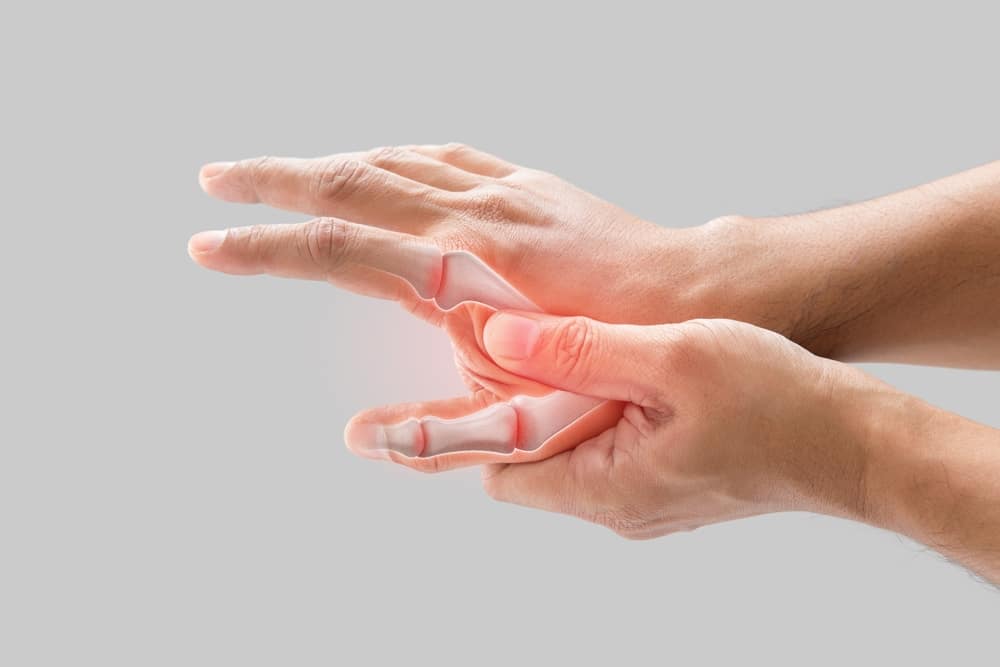
Rheumatoid arthritis (RA) is a chronic inflammatory condition that affects the joints and, in some cases, other body systems. It’s an autoimmune response, where the immune system mistakenly attacks healthy tissue. Because RA can lead to long-term joint damage and decreased quality of life if left unmanaged, early detection is crucial. The earlier you understand what’s happening in your body, the sooner you can begin working with your care team on strategies to support your health and wellbeing.
In this blog, we’ll walk you through the process of a rheumatoid arthritis diagnosis, including symptoms to watch for, diagnostic tests, classification criteria, and what to expect throughout the process.
Recognizing the early signs of RA can help you seek timely support. While symptoms vary from person to person, some of the most common early indicators include:
These symptoms can resemble other health conditions, which is why it’s important to consult a practitioner who can help guide you through the diagnostic process.
A rheumatoid arthritis diagnosis typically begins with a thorough history and symptom review, followed by targeted lab testing. The most commonly used blood tests include:
These lab results don’t offer a definitive diagnosis on their own but are part of a broader picture that helps your provider understand what’s going on.
In addition to lab tests, imaging plays a key role in the diagnostic process. These tools help visualize joint inflammation and detect early damage, even before symptoms become severe.
These imaging techniques assist in assessing both the presence and progression of joint inflammation, helping tailor a care plan suited to each individual.
To support consistency in diagnosis, the American College of Rheumatology (ACR) and the European League Against Rheumatism (EULAR) developed a points-based system to classify RA. While this tool is used mainly in research and clinical settings, it helps explain how providers assess your condition.
The criteria evaluate four key categories:
A total score of 6 or more (out of 10) suggests definite RA. However, this is not a checklist patients are expected to complete themselves. It's a tool providers use in context with your full health picture.
The diagnostic journey can take time, particularly in the early stages when symptoms may be subtle. Here’s what you can expect:
At Revive Integrative Health, our approach is rooted in personalized care. We take the time to listen, evaluate, and guide you toward a comprehensive strategy for managing your joint health.
An accurate rheumatoid arthritis diagnosis helps build a clear path forward. At Revive Integrative Health, we focus on integrative care that supports joint function, reduces inflammation, and promotes long-term wellness using:
Rather than focusing on symptom suppression, our goal is to support your body’s natural ability to regulate inflammation and maintain mobility.
Navigating the path to diagnosis can be overwhelming, but you don’t have to do it alone. Whether you’re in the early stages of symptom recognition or seeking answers after months of discomfort, you deserve compassionate, holistic care.
At Revive Integrative Health, we’re here to help guide you through your rheumatoid arthritis diagnosis and beyond. We believe in empowering patients through education, support, and personalized strategies to help manage chronic conditions with confidence and clarity.
Ready to take the next step? Contact Revive Integrative Health to schedule your initial consultation and begin your journey toward improved joint health.
