
Have you ever left a doctor’s office with a prescription in hand, only to find yourself back in the same chair a few months later with the same nagging stomach issues? You are not alone. Millions of people struggle with chronic digestive problems like bloating, indigestion, IBS, and acid reflux, cycling through medications that offer temporary relief but never seem to solve the problem.
While conventional medicine plays a vital role in acute care, its approach to chronic digestive health often falls short. It tends to focus on managing symptoms rather than uncovering the "why" behind them. At Revive Integrative Health in Glenview, IL, we believe there is a better way. By shifting the focus from suppression to restoration, holistic digestive therapy can offer the long-term relief many patients have stopped hoping for.
If you visit a standard practitioner for heartburn, you’ll likely receive a proton pump inhibitor (PPI). If you have IBS, you might get an antispasmodic. While these may be indicated for some patients, their modalities are designed to suppress symptoms quickly, which is admittedly helpful in the short term. No one wants to be in pain. However, this approach has significant limitations when it comes to true healing.
The primary issue with the conventional model is that it often treats the body as a collection of separate parts rather than an interconnected system. When you suppress a symptom—like using an antacid to stop stomach acid—you aren't necessarily fixing the reason why the acid is there in the first place. You are simply muting the body's alarm signal.
Over time, this can lead to a dependency on medication. Worse, because the root cause remains unaddressed, new symptoms may crop up as the underlying dysfunction deepens. A "band-aid" solution might get you through the day, but it won't help you thrive in the years to come.
Another frustration many patients face is being told their labs are "normal" despite feeling terrible. Standard medical testing is excellent at identifying severe pathology, such as ulcers or tumors. However, it is less effective at detecting functional issues—subtle imbalances in how the digestive system is actually working. You can have "normal" test results and still suffer from significant dysbiosis, low stomach acid, or nutrient malabsorption.
Integrative digestive care offers a different perspective. Instead of asking "What drug treats this symptom?", we ask "What is causing this imbalance?" This investigative approach allows us to create personalized therapy plans that foster lasting health.
Your gut is home to trillions of bacteria that influence everything from digestion to immune function and mood. In conventional therapy, the delicate balance of this ecosystem is often overlooked. Antibiotics and acid-blockers can disrupt the microbiome, wiping out beneficial bacteria and allowing harmful pathogens to thrive.
Holistic digestive therapy prioritizes the restoration of this ecosystem. Through targeted probiotics, prebiotics, and dietary changes, we work to rebuild a diverse and resilient microbiome. When your gut bacteria are balanced, digestion improves naturally, inflammation decreases, and your overall vitality returns.
You cannot out-medicate a diet that doesn't serve your body. Food is information, and what you eat directly dictates the health of your gut lining and the quality of your digestion. However, there is no one-size-fits-all "perfect diet."
Integrative care involves identifying specific food sensitivities and triggers that may be causing inflammation. It’s not just about cutting foods out; it’s about flooding the body with the specific nutrients it needs to repair tissue and produce necessary enzymes. We also look at lifestyle factors. Chronic stress, poor sleep, and lack of movement all wreak havoc on the digestive system via the gut-brain axis. A truly effective therapy plan must address these external stressors to calm the internal system.
If you are tired of managing symptoms and are ready to start healing, it might be time to look beyond the medicine cabinet. Digestive health is complex, and it requires a comprehensive approach that respects the body’s innate ability to heal when given the right support.
At Revive Integrative Health, we are dedicated to helping our Glenview community find freedom from digestive distress. By combining the best of modern science with the wisdom of natural therapies, we can help you get to the root of your issues.
Don't settle for "managing" your digestion forever. Contact Revive Integrative Health today to schedule a consultation and discover how integrative care can change your life.
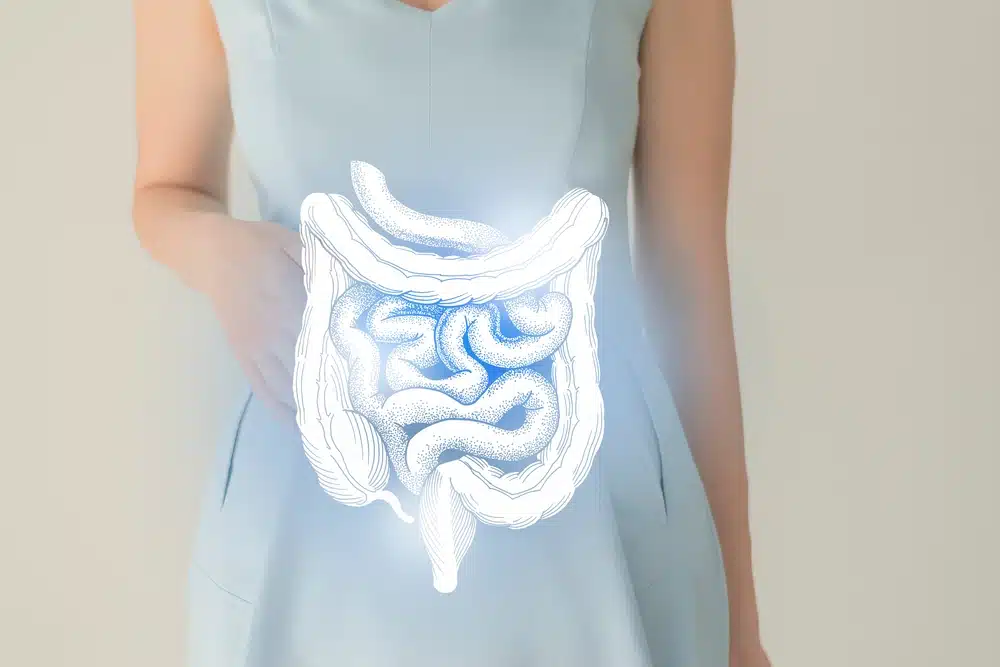
If you have ever felt the discomfort of bloating after a meal or the sudden urgency of an upset stomach, you know how disruptive digestive issues can be. For millions of people, these aren't just occasional annoyances—they are chronic conditions that dictate what they eat, where they go, and how they live their lives.
Conventional medicine often relies on medication to suppress symptoms like acid reflux or irregularity. While this can offer temporary relief, it rarely addresses the root cause of the problem. At Revive Integrative Health in Glenview, IL, we believe in a different path. By focusing on holistic gut health, we aim to uncover why your digestive system is struggling and restore balance naturally.
Here are the top five integrative therapies that can help you reclaim your digestive health.
Food sensitivities are a common, yet often overlooked, cause of chronic digestive distress. Unlike allergies, which cause an immediate reaction, sensitivities can create low-grade inflammation that builds up over time. This makes it difficult to pinpoint exactly which food is the culprit.
An elimination diet is a structured program where you remove common trigger foods—such as gluten, dairy, soy, or corn—for a set period. After your system has had time to calm down, you slowly reintroduce these foods one by one to see how your body reacts. This process helps identify specific dietary triggers so you can create a meal plan that nourishes your body without causing pain.
Your gut is home to trillions of bacteria, collectively known as the microbiome. In a healthy gut, beneficial bacteria keep harmful microbes in check. However, factors like antibiotics, poor diet, and stress can throw this delicate ecosystem off balance, leading to issues like Dysbiosis or Small Intestinal Bacterial Overgrowth (SIBO).
Restoring this balance is a cornerstone of natural digestive disorder treatments. High-quality probiotics reintroduce beneficial bacteria into your system, while prebiotics (fiber-rich foods) feed them. Together, they help repair the gut lining, improve nutrient absorption, and regulate bowel movements.
Have you ever felt "butterflies" in your stomach before a big event? That is the gut-brain axis in action. Your brain and your digestive system are in constant communication via the vagus nerve. When you are chronically stressed, your body stays in a "fight or flight" mode, which shuts down digestion and can lead to inflammation, cramping, and nutrient malabsorption.
Incorporating stress management into your daily routine is essential for healing. Techniques such as deep breathing exercises, meditation, yoga, or even regular nature walks can shift your body into a "rest and digest" state, allowing your gut the downtime it needs to heal and function properly.
Nature provides a vast pharmacy of botanicals that can soothe and repair the digestive tract. Integrative medicine often utilizes specific herbs to target symptoms while addressing underlying issues.
Using herbs under the guidance of a practitioner ensures you are using the right dosage and combination for your specific needs.
One of the biggest frustrations for patients with digestive disorders is being told that their standard lab results are "normal," even though they feel terrible. Functional testing digs deeper.
Advanced diagnostic tools, such as the GI-MAP stool test or breath tests for SIBO, allow practitioners to see exactly what is happening inside your gut. These tests can reveal specific bacterial overgrowths, parasite infections, enzyme deficiencies, and inflammation markers that standard tests miss. With this data, we can move beyond guessing and create a targeted treatment protocol.
No two digestive systems are exactly alike. Two people with the same diagnosis of IBS might have completely different root causes—one might be dealing with stress and SIBO, while the other has a gluten sensitivity and low stomach acid.
This is why generic advice often fails. At Revive Integrative Health, personalized care means we look at your unique history, lifestyle, and biology. By combining functional testing with lifestyle changes and natural therapies, we create a roadmap to health that is designed specifically for you.
Healing your digestion is about more than just managing symptoms; it is about restoring the foundation of your overall health. If you are tired of guessing games and temporary fixes, it is time to look at the whole picture.
At Revive Integrative Health in Glenview, IL, we are dedicated to helping you achieve lasting wellness through compassionate, evidence-based care. Contact us today to schedule your consultation and start your journey toward a happier, healthier gut.

We often think of stress as something that lives in our heads. It’s the racing thoughts before a big presentation, the worry about finances, or the mental load of managing a household. But stress is deeply physical, and for women, it can have a profound impact on one specific system: reproductive health.
At Revive Integrative Health in Glenview, IL, we frequently see patients who feel “tired but wired,” struggling with irregular cycles, low libido, or fertility challenges. Often, the root cause isn't just in the ovaries or the uterus—it’s in the adrenal glands.
Understanding the connection between your stress response and your reproductive hormones is the first step toward reclaiming your vitality.
Your adrenal glands are small, walnut-sized organs sitting on top of your kidneys. They are the command center for your stress response. When you encounter a threat—whether it's a physical danger or a stressful email—your adrenals release cortisol and adrenaline to help you cope.
This "fight or flight" response is designed to be temporary. However, modern life often keeps us in a state of chronic stress. Over time, the adrenals can become overworked. This state of dysfunction, often referred to in functional medicine as adrenal fatigue or HPA axis dysfunction, means your body struggles to regulate cortisol levels effectively. You might experience crashing fatigue in the afternoon, difficulty sleeping at night, and a general sense of burnout.
But the adrenals don't operate in a vacuum. They are part of the endocrine system, and when they are out of balance, they pull other systems down with them.
To understand how adrenal fatigue impacts women, we need to look at the "pregnenolone steal" or "cortisol steal."
All steroid hormones, including cortisol (the stress hormone) and progesterone (a key reproductive hormone), are made from the same precursor: pregnenolone. When your body is under chronic stress, it prioritizes survival over reproduction. Your body perceives stress as a life-threatening situation. From a biological standpoint, it is not safe to get pregnant or expend energy on reproduction when you are running from a predator.
Consequently, the body shunts resources away from producing reproductive hormones like progesterone to produce more cortisol. This hormonal heist leads to a significant imbalance.
When adrenal imbalance occurs, the downstream effects on women's reproductive health can be extensive.
Progesterone is essential for regulating your menstrual cycle. It balances out estrogen and helps maintain the uterine lining. When cortisol demands steal the raw materials needed for progesterone, you may experience estrogen dominance. This can lead to heavy periods, severe PMS, short cycles, or spotting before your period begins. In severe cases of adrenal fatigue, ovulation may stop altogether (amenorrhea), as the body shuts down non-essential functions to conserve energy.
Getting pregnant requires a delicate symphony of hormones. High stress and cortisol levels can suppress the release of Gonadotropin-Releasing Hormone (GnRH), which signals the ovaries to release an egg. Furthermore, if an egg is fertilized, adequate progesterone is critical to support the early stages of pregnancy. Low progesterone caused by adrenal dysfunction is a common factor in early miscarriage and difficulty conceiving.
Libido is often the first thing to go when the body is in survival mode. Adrenal fatigue depletes testosterone (yes, women need testosterone too!) and DHEA, both of which drive sexual desire. When you are exhausted and your hormones are depleted, intimacy often feels like just another chore on an endless to-do list.
The good news is that adrenal dysfunction is reversible. By signaling safety to your body, you can restore balance to your hormones. Here are several strategies we recommend at Revive Integrative Health:
You must actively switch your nervous system from sympathetic (fight or flight) to parasympathetic (rest and digest) mode. This doesn't just mean sleeping more, though sleep is crucial. It means incorporating practices like deep breathing, meditation, gentle yoga, or spending time in nature to lower cortisol levels naturally.
Blood sugar crashes are a major stressor on the adrenal glands. To support adrenal recovery, aim to eat regular meals that include protein, healthy fats, and fiber. Avoid skipping meals, especially breakfast, and limit caffeine and high-sugar foods that spike cortisol.
Certain nutrients are vital for adrenal health. Vitamin C, B vitamins (especially B5 and B6), and magnesium are burned through rapidly during stress. Adaptogenic herbs like Ashwagandha, Rhodiola, and Holy Basil can also help modulate the body's stress response, though it is best to consult with a practitioner before starting a new regimen.
If you suspect your reproductive issues are tied to stress, guesswork isn't enough. Functional testing, such as salivary cortisol testing or comprehensive hormone panels, can pinpoint exactly where your imbalances lie.
Adrenal fatigue in women is a sign that the body is trying to protect you, but it has gotten stuck in overdrive. By addressing the root cause of the stress and nourishing your adrenal glands, you can often resolve issues with your cycle, fertility, and energy.
If you are in the Glenview, IL area and are ready to investigate the link between your stress levels and your reproductive health, our team is here to support you. Contact us today to schedule your consultation and take the first step towards reclaiming your rhythm.

You know your body better than anyone else. You know when you feel vibrant and energetic, and you certainly know when something feels "off." Yet, far too many women find themselves sitting in a doctor's office, describing a laundry list of frustrating symptoms, only to be told their blood work looks "normal."
You might be told it’s just stress, aging, or the busy lifestyle of modern motherhood. But deep down, you suspect there is a root cause that hasn't been uncovered.
For many, that root cause is Hashimoto’s thyroiditis. It is the most common autoimmune disease in the United States, yet it frequently flies under the radar for years. Hashimoto's occurs when the immune system mistakenly attacks the thyroid gland, slowly damaging its ability to produce hormones. Because the decline is gradual, the symptoms can be subtle and easily attributed to other causes.
At Revive Integrative Health in Glenview, IL, we believe in listening to your story, not just looking at a lab reference range. If you have been feeling unlike yourself lately, here are five subtle red flags that Hashimoto’s might be the culprit.
Hashimoto’s is frequently missed because standard medical care often relies solely on a single marker: Thyroid Stimulating Hormone (TSH).
While TSH is an important number, it doesn't tell the whole story. Your TSH levels can remain within the "normal" range even while your immune system is actively attacking your thyroid gland. By the time TSH levels rise enough to trigger a diagnosis of hypothyroidism, significant damage may have already occurred.
Many Hashimoto’s symptoms that women experience appear long before traditional labs show a problem. This is why looking for antibodies (TPO and TgAb) and listening to the patient's subjective experience is crucial for early detection.
The symptoms of Hashimoto's can be diverse, affecting everything from your metabolism to your mood. Here are five signs that are often overlooked or dismissed.
We aren't talking about feeling sleepy after a late night. The fatigue associated with thyroid dysfunction is a bone-deep exhaustion that doesn't go away with a good night's sleep or a nap. It’s the kind of tiredness that makes your limbs feel heavy and makes getting through a standard workday feel like running a marathon. If you are sleeping 8+ hours a night and still waking up unrefreshed, your thyroid may be struggling to keep your energy engines running.
Have you found yourself walking into a room and forgetting why you’re there? Do you struggle to find the right word in conversation or feel like you are thinking through a thick haze? "Mom brain" or aging are often blamed for these cognitive slips, but brain fog is a classic hallmark of low thyroid function. Your brain consumes a massive amount of energy, and without sufficient thyroid hormone, cognitive processing slows down.
Your skin and hair are often the first places to show signs of internal imbalance. Thyroid hormones control the rate of skin cell turnover. When levels are low, dead skin cells build up, leading to dry, flaky, or rough skin that moisturizer just can’t fix. You might also notice your hair becoming brittle, breaking easily, or shedding more than usual in the shower. A specific sign to look for is thinning of the outer third of your eyebrows.
Thyroid hormones and sex hormones are deeply interconnected. When your thyroid is sluggish, it can disrupt ovulation and progesterone production. This often manifests as heavier periods, irregular cycles, or worsening PMS symptoms. For many women, unexplained infertility or recurrent miscarriages are the first tangible sign that their thyroid health needs a closer look.
It is heartbreakingly common for women with undiagnosed Hashimoto's to be prescribed antidepressants before they are ever tested for thyroid antibodies. Low thyroid hormone levels directly impact neurotransmitters like serotonin and dopamine. This can lead to persistent low mood, depression, or sudden spikes of anxiety and panic attacks that seem to come out of nowhere.
If you find yourself nodding along to these symptoms, it is time to dig deeper. You do not have to accept fatigue and brain fog as your new normal.
The key to managing Hashimoto’s is a comprehensive approach that goes beyond just replacing hormones. It involves calming the immune system, reducing inflammation, and identifying triggers—such as stress, gut health issues, or nutrient deficiencies—that are fueling the autoimmune attack.
At Revive Integrative Health, we specialize in getting to the root of autoimmune thyroid conditions. We use advanced testing to look at the full picture of your thyroid health, including free T3, free T4, reverse T4, and thyroid antibodies.
Don't wait for your symptoms to become debilitating. If you are looking for help with Hashimoto’s disease in Glenview, our team is here to support you. We help you connect the dots between your symptoms and your biology, creating a personalized roadmap to restore your vitality.
Contact Revive Integrative Health today to schedule your consultation. Let’s get your energy back and help you feel like yourself again.

It's common for patients with autoimmune thyroid conditions like Hashimoto's or Graves' disease to focus solely on the thyroid itself. While thyroid-specific treatments are essential, emerging research highlights a powerful and often overlooked connection: the link between your gut health and your thyroid function. Understanding this relationship can unlock new pathways to managing your symptoms and improving your overall well-being.
Many people are surprised to learn that an imbalanced gut can be a primary driver of autoimmune thyroid disease. The intricate systems within our digestive tract do more than just process food; they play a critical role in regulating our immune system. When the gut is compromised, it can trigger an immune response that mistakenly targets the thyroid gland.
This article will explore the direct influence of gut health on autoimmune thyroid conditions. We will cover how issues like "leaky gut" and an imbalanced microbiome contribute to inflammation that affects the thyroid, and what practical steps you can take—from nutrition to targeted testing—to heal your gut and better manage your thyroid health.
Your gut and thyroid are in constant communication. This connection is managed by three key factors: the gut lining, the microbiome, and the body's inflammatory response. When these elements are out of balance, your thyroid is often one of the first places to feel the impact.
The lining of your intestines acts as a gatekeeper, deciding what gets absorbed into your bloodstream and what stays out. When this lining becomes too permeable—a condition commonly known as "leaky gut" or intestinal permeability—undigested food particles, toxins, and bacteria can "leak" into the bloodstream.
When your immune system detects these foreign invaders, it launches an attack. The problem is that some of these particles can resemble the proteins found in your own thyroid tissue. This phenomenon, called molecular mimicry, can confuse the immune system, causing it to attack the thyroid gland. This misguided assault is a hallmark of autoimmune conditions like Hashimoto's thyroiditis.
Your gut is home to trillions of microorganisms, collectively known as the gut microbiome. A diverse and balanced microbiome is crucial for a healthy immune system, as about 70% of your immune cells reside in the gut.
An imbalance in gut bacteria, or dysbiosis, can disrupt immune function. When harmful bacteria outnumber beneficial ones, it can lead to chronic inflammation and an overactive immune response. This state of constant alert makes the body more susceptible to developing autoimmune diseases, including those that affect the thyroid.
Both leaky gut and an imbalanced microbiome contribute to chronic, low-grade inflammation throughout the body. This systemic inflammation can interfere with thyroid function in several ways. It can reduce the conversion of the inactive thyroid hormone (T4) to the active form (T3), leading to symptoms of hypothyroidism even when T4 levels are normal. Furthermore, inflammatory signals can directly damage thyroid cells, worsening the autoimmune attack.
Because of the direct gut health impact on the thyroid, taking steps to restore gut balance can lead to significant improvements in autoimmune thyroid symptoms. By sealing a leaky gut, rebalancing the microbiome, and reducing inflammation, you can calm the autoimmune response against your thyroid.
Many patients who focus on gut healing report:
Healing the gut is not a quick fix, but it is a foundational step toward putting autoimmune thyroid conditions into remission and reclaiming your health.
Addressing gut health begins with what you eat and requires a clear understanding of what's happening inside your digestive system.
A nutrient-dense, anti-inflammatory diet is the cornerstone of gut healing. Focus on incorporating whole foods rich in vitamins, minerals, and fiber.
While diet is crucial, sometimes it's not enough. Functional medicine testing can provide a more detailed picture of your gut health and guide a more personalized treatment plan.
Understanding the gut health impact on thyroid function is the first step toward lasting relief. By addressing the root causes of inflammation and immune dysregulation in your gut, you can create a foundation for a healthier thyroid and a more vibrant life.
If you're in the Glenview, IL, area and struggling with an autoimmune thyroid condition, the team at Revive Integrative Health is here to help. We use a functional medicine approach to identify and address the underlying imbalances contributing to your symptoms. Contact us today to schedule a consultation and begin your journey back to wellness.

Understanding the difference between normal postpartum adjustments and concerning hormone imbalances empowers new mothers to seek appropriate care when needed. At Revive Integrative Health, our women's health center in Lake Forest provides comprehensive support for mothers navigating the complex journey of postpartum recovery.
During the immediate postpartum period, several major hormonal changes occur:
First 6 Weeks:
6 Weeks to 6 Months:
6 Months to 1 Year:
Fatigue is expected during the postpartum period, but extreme exhaustion that doesn't improve with rest may signal hormone imbalance:
Depression Symptoms:
Anxiety Symptoms:
Several factors help distinguish normal postpartum adjustments from postpartum hormone imbalance that requires professional support:
Comprehensive care for postpartum hormone imbalance addresses multiple aspects of health and well-being through natural, supportive approaches.
Understanding individual hormone levels provides crucial information for developing effective treatment plans:
Proper nutrition forms the foundation of hormonal balance during postpartum recovery:
Targeted Supplementation:
Managing stress is crucial for hormonal balance and overall well-being during the postpartum period:
Lifestyle Modifications:
Acupuncture Benefits:
Red Light Therapy Applications:
Additional Supportive Therapies:
At our women's health center in Lake Forest, we understand the unique challenges new mothers face and provide comprehensive, compassionate care that addresses both immediate concerns and long-term wellness goals. Contact Revive Integrative Health today to schedule a comprehensive consultation with our women's health specialists.

Understanding how thyroid function impacts metabolism and implementing targeted lifestyle strategies can help you control weight and hypothyroidism effectively. At Revive Integrative Health, we help individuals develop personalized approaches that address the root causes of thyroid dysfunction while supporting healthy weight management.
The thyroid gland produces hormones that regulate virtually every aspect of metabolism, including how your body burns calories, processes nutrients, and maintains energy levels. When thyroid function is compromised, these metabolic processes slow down significantly.
Thyroid hormones, primarily T3 (triiodothyronine) and T4 (thyroxine), act as the body's metabolic thermostat. These hormones influence:
When hypothyroidism develops, these processes slow down, leading to:
Nutrition plays a crucial role in supporting thyroid function and promoting healthy weight management. The key is focusing on foods that nourish the thyroid while avoiding those that may interfere with hormone production or absorption.
Focus on Nutrient-Dense Foods:
Anti-Inflammatory Food Choices:
Certain foods may interfere with thyroid function or worsen metabolic challenges:
Consistent Meal Timing:
Portion Control Techniques:
Exercise is essential for weight management with hypothyroidism, but the approach needs to be carefully tailored to avoid overwhelming an already stressed system.
Building and maintaining muscle mass is crucial because muscle tissue burns more calories at rest than fat tissue. Effective approaches include:
While cardio is beneficial, excessive high-intensity exercise can stress the adrenal system and worsen hypothyroid symptoms:
Optimal Timing:
Recovery Priorities:
Beyond diet and exercise, several lifestyle factors significantly influence weight management success with hypothyroidism.
Quality sleep is crucial for hormone balance and weight management:
Chronic stress can worsen hypothyroid symptoms and make weight management more difficult:
Proper hydration supports metabolism and helps the body eliminate toxins:
Comprehensive thyroid care extends beyond basic lifestyle modifications to address underlying imbalances and optimize overall health.
Targeted nutraceuticals can support thyroid function and weight management:
Various treatment approaches can support weight management goals:
Addressing related hormone imbalances often improves weight management success:
Contact Revive Integrative Health today to schedule a comprehensive consultation. Our experienced team specializes in helping individuals with thyroid conditions develop personalized strategies that address root causes and support long-term success. Don't let hypothyroidism control your life – discover how our integrative approach can help you feel energized, healthy, and confident in your body again. Control weight hypothyroidism today.

Menstrual pain affects millions of women worldwide, but distinguishing between normal period discomfort and more serious conditions like endometriosis can be challenging. While some level of cramping during menstruation is typical, severe pain that disrupts daily activities may signal an underlying condition that needs attention.
Understanding when menstrual pain crosses the line from normal to abnormal is crucial for women's health and overall well-being. At Revive Integrative Health, we help women navigate endometriosis vs period pain through comprehensive care and personalized treatment approaches.
Normal menstrual cramps, medically known as primary dysmenorrhea, are a common experience for many women. These cramps occur when the uterus contracts to help shed its lining during menstruation.
The primary cause of typical menstrual pain involves the production of prostaglandins, hormone-like substances that trigger uterine contractions. Higher levels of prostaglandins can lead to stronger, more painful contractions. Additional factors that may contribute to normal period pain include:
Typical menstrual cramps usually present with specific characteristics that help distinguish them from more serious conditions:
Normal period pain usually follows a predictable pattern, lasting no more than the first few days of menstruation. Many women find relief through:
Endometriosis is a condition where tissue similar to the uterine lining grows outside the uterus, commonly on the ovaries, fallopian tubes, and other pelvic structures. This displaced tissue continues to respond to hormonal changes during the menstrual cycle, causing inflammation, scarring, and severe pain.
Understanding the distinction between endometriosis and normal period pain is essential for proper care:
Endometriosis Pain Characteristics:
Normal Period Pain Characteristics:
Recognizing when menstrual pain requires professional attention is crucial for maintaining optimal health. Consider seeking care if you experience:
Early intervention can help prevent complications and improve long-term outcomes. At Revive Integrative Health, we provide comprehensive evaluations to help identify the root causes of menstrual irregularities.
Proper diagnosis involves a thorough evaluation that may include various approaches:
Managing menstrual pain and conditions like endometriosis requires a comprehensive, individualized approach. Treatment options focus on addressing root causes while providing symptom relief.
Nutritional Support:
Therapeutic Modalities:
Lifestyle Modifications:
Understanding the difference between endometriosis vs period pain empowers women to seek appropriate care when needed. While some menstrual discomfort is normal, severe pain that disrupts daily life deserves professional attention and comprehensive care.
Awareness Tip: Keep a detailed symptom diary tracking pain intensity, timing, associated symptoms, and what helps or worsens your discomfort. This information provides valuable insights for healthcare providers and helps guide personalized treatment approaches.
At Revive Integrative Health, we're committed to helping women achieve optimal hormonal health through comprehensive, personalized care. Our team focuses on identifying root causes and developing individualized treatment plans that address your unique needs.
Ready to take control of your menstrual health? Contact Revive Integrative Health today to schedule a comprehensive consultation. Our experienced team is here to help you understand your symptoms and develop an effective, holistic treatment plan that supports your overall well-being. Don't let menstrual pain control your life – discover how integrative care can help you feel your best every day of the month.
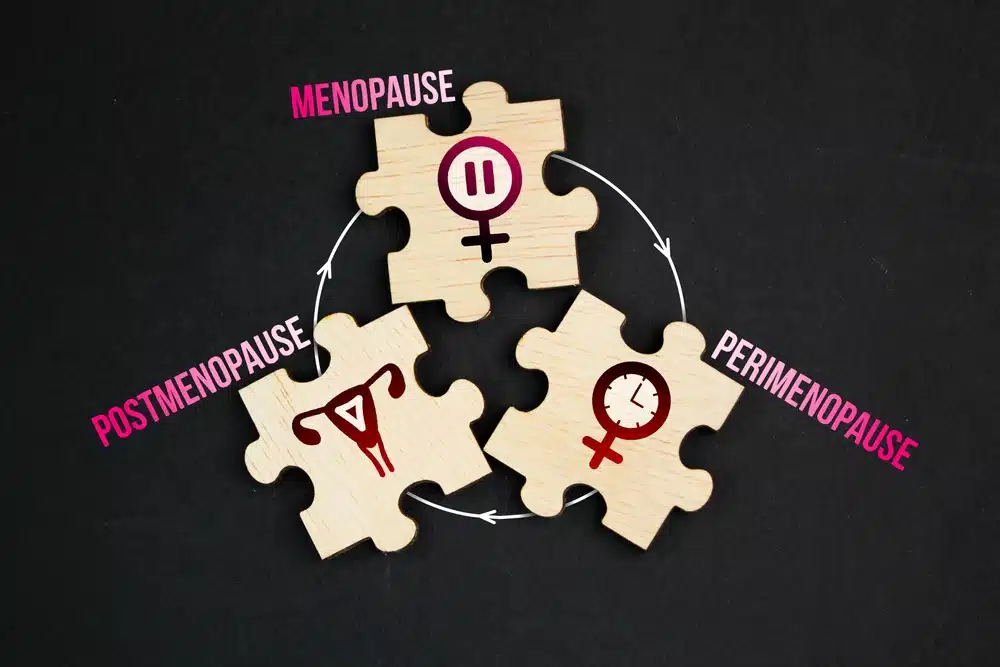
Menopause is a natural biological process that marks the end of a woman's reproductive years, but understanding the journey can help you navigate this transition with greater confidence and comfort. The stages of menopause encompass more than just the cessation of menstrual periods—they represent a gradual transformation that can span several years and affect multiple aspects of your health and wellbeing.
At Revive Integrative Health in Glenview, we focus on helping women understand and manage each phase of this natural transition through comprehensive, personalized care that addresses the whole person, not just individual symptoms.
Perimenopause, often called the "menopause transition," typically begins in a woman's 40s, though it can start as early as the mid-30s or as late as the early 50s. During this phase, your ovaries gradually produce less estrogen, leading to irregular menstrual cycles and the onset of menopausal symptoms.
Key characteristics of perimenopause include:
This phase can last anywhere from a few months to several years, with the average duration being four years. The hormonal fluctuations during perimenopause can be particularly challenging because estrogen levels don't decline steadily—they fluctuate dramatically, sometimes being higher than normal and other times dropping significantly.
Menopause is officially diagnosed when you haven't had a menstrual period for 12 consecutive months, typically occurring around age 51. At this point, your ovaries have significantly reduced their production of estrogen and progesterone, marking the end of your reproductive years.
During this phase, many women experience:
Postmenopause refers to the years following menopause, encompassing the rest of a woman's life. While some menopausal symptoms may continue or even intensify initially, many women find that symptoms like hot flashes gradually decrease over time.
However, the long-term effects of decreased estrogen become more apparent during postmenopause:
Hot flashes affect up to 75% of women going through menopause and can significantly impact quality of life. These sudden surges of heat, often accompanied by sweating and rapid heartbeat, can occur at any time and may last from a few seconds to several minutes.
Natural management strategies include:
Integrative approaches we focus on:
Hormonal fluctuations during the stages of menopause can significantly impact emotional wellbeing. Many women experience increased irritability, anxiety, mood swings, or even depression during this transition.
Supportive strategies include:
Many women notice weight gain during menopause, particularly around the abdomen. This occurs due to hormonal changes that affect metabolism, muscle mass, and fat distribution.
Effective management approaches:
Bioidentical hormone replacement therapy (BHRT) can help manage menopausal symptoms by supplementing the body's declining hormone levels. Unlike synthetic hormones, bioidentical hormones are molecularly identical to those your body produces naturally.
BHRT may help with:
Our clinic focuses on natural remedies and integrative approaches that support your body's ability to manage the menopausal transition:
Nutritional support:
Therapeutic modalities:
Every woman's experience with menopause is unique, and what works for one person may not work for another. At Revive Integrative Health, we believe in creating personalized care plans that address your specific symptoms, health goals, and lifestyle preferences.
Our comprehensive approach includes:
The key to successfully managing the stages of menopause lies in understanding that this is a natural process that doesn't have to diminish your quality of life. With the right support, information, and personalized care approach, you can navigate this transition with confidence and continue to thrive in the years ahead.
Don't let menopausal symptoms control your life. At Revive Integrative Health in Glenview, our experienced team is here to help you navigate the stages of menopause with personalized, compassionate care. We combine the best of conventional and integrative medicine to create a comprehensive approach that addresses your unique needs.
Contact us today to schedule your consultation and discover how we can help you feel your best during this important life transition. Your journey to optimal health and vitality starts here.

Polycystic ovary syndrome (PCOS) affects about 1 in 10 women of reproductive age, making it one of the most common hormonal disorders. Despite its prevalence, many women remain undiagnosed for years because the early signs of PCOS can be subtle or mistaken for other issues. Recognizing these early symptoms allows for earlier diagnosis and more effective management.
At Revive Integrative Health in Glenview, we help women identify and address PCOS with comprehensive, integrative care that focuses on the whole person. Our approach blends conventional assessment with natural therapies to help women manage symptoms and optimize long-term health.
Despite its name, PCOS is not only about ovarian cysts. It’s a metabolic and hormonal disorder involving insulin resistance, elevated androgens (male hormones), and sometimes multiple small ovarian cysts. These imbalances can affect fertility, appearance, energy levels, and overall health.
The challenge is that PCOS presents differently in each woman. Some show many symptoms, while others have only a few subtle signs often attributed to stress or lifestyle factors.
One of the clearest early indicators is irregular menstruation, including:
These issues occur because PCOS disrupts regular ovulation.
Up to 70% of women with PCOS have insulin resistance, which contributes to:
Elevated androgens often cause:
Hormonal imbalances may lead to:
Some women first discover PCOS when trying to conceive, as irregular ovulation may cause difficulty becoming pregnant or recurrent miscarriage.
Because PCOS symptoms vary, open and honest discussion with your provider is essential.
A full evaluation may include:
Recognizing PCOS early is critical for prevention and management.
Focus on:
Limit:
Evidence-based options may include:
PCOS care is not one-size-fits-all. At Revive Integrative Health, we design personalized care plans that may include:
The early signs of PCOS should never be dismissed. With the right support, women can manage symptoms, reduce risks, and live healthy, fulfilling lives.
If you recognize early signs of PCOS, don’t wait to seek help. At Revive Integrative Health in Glenview, our team specializes in personalized, integrative care for women with PCOS.
Contact us today to schedule your consultation and begin your journey toward better health, balance, and vitality.
